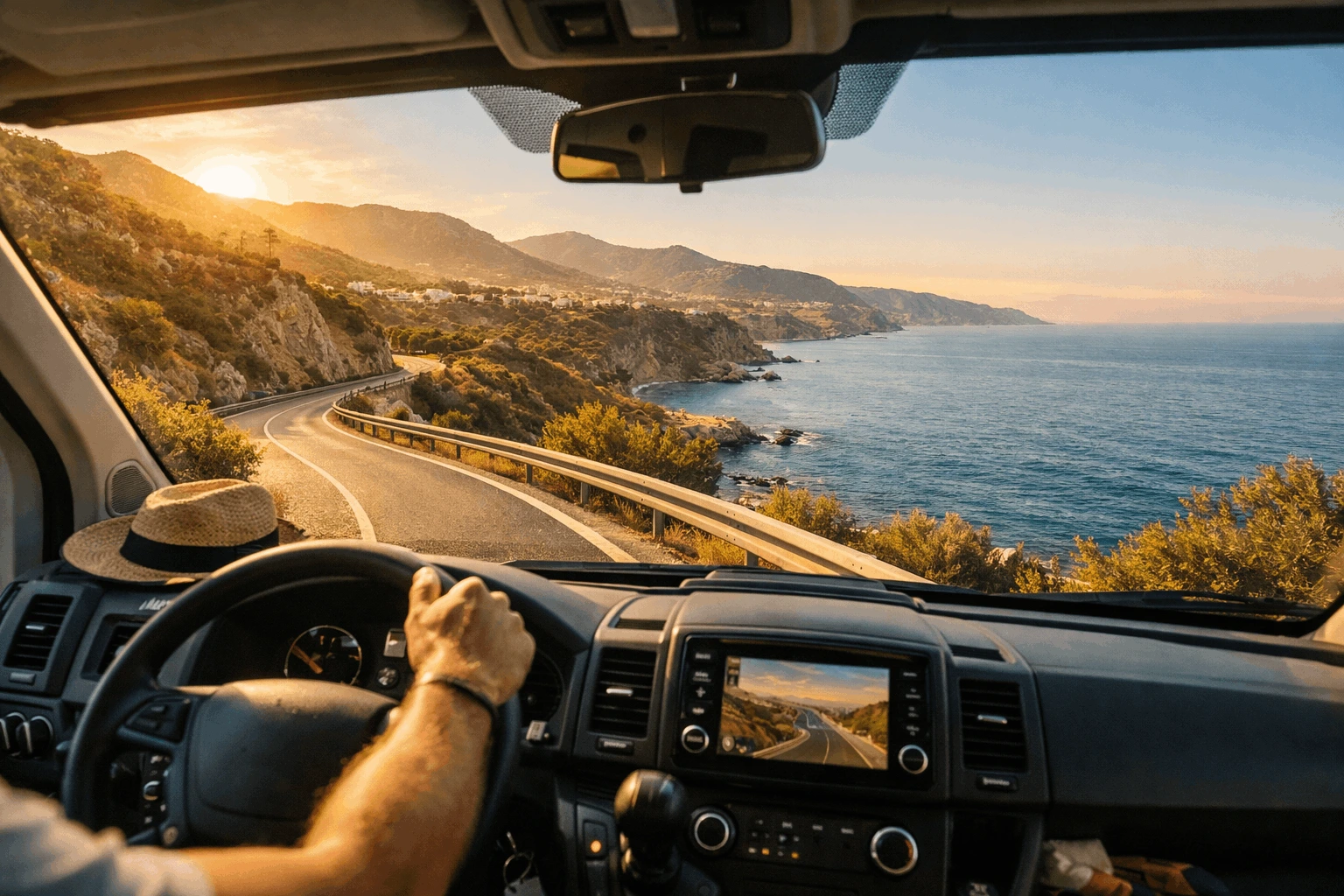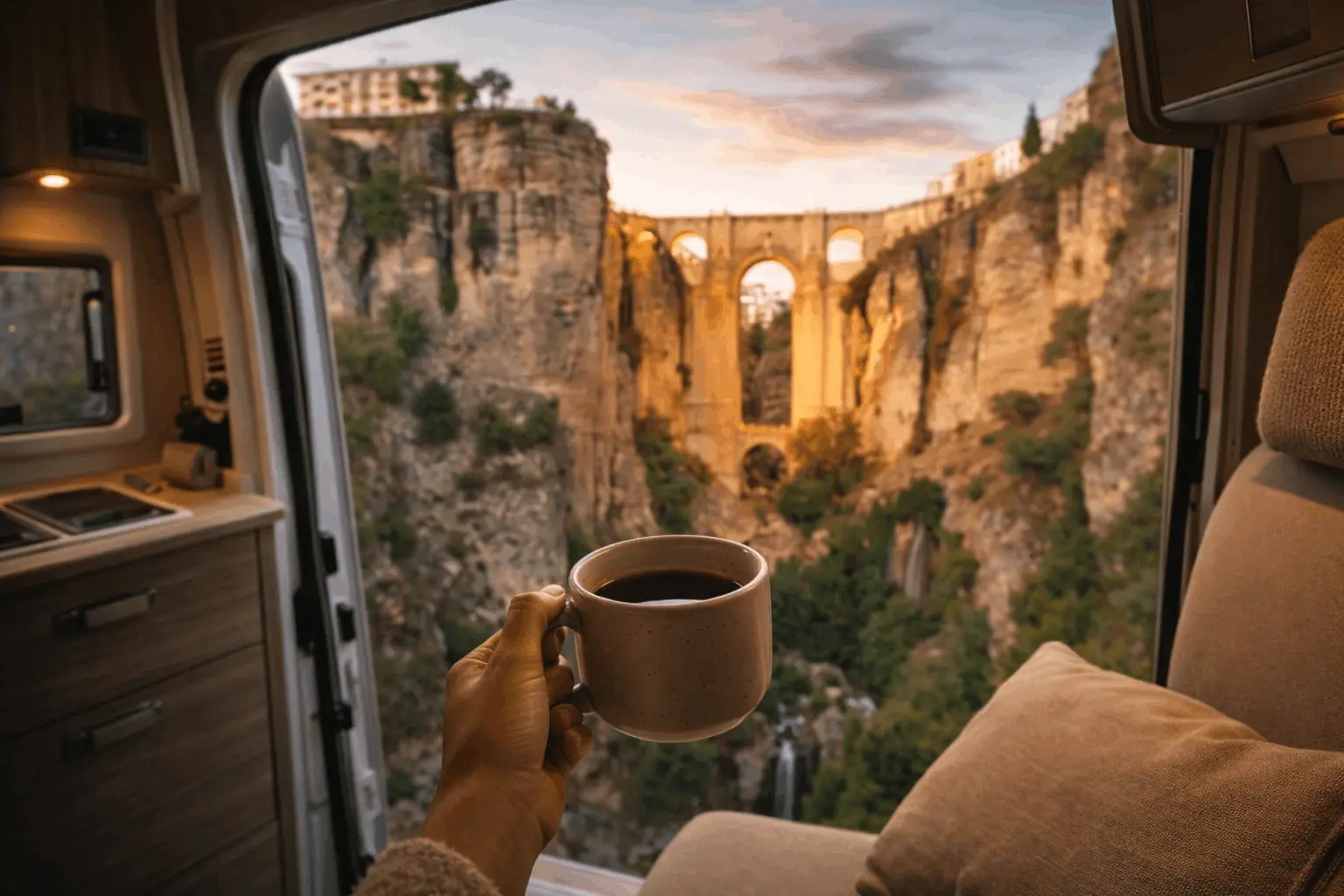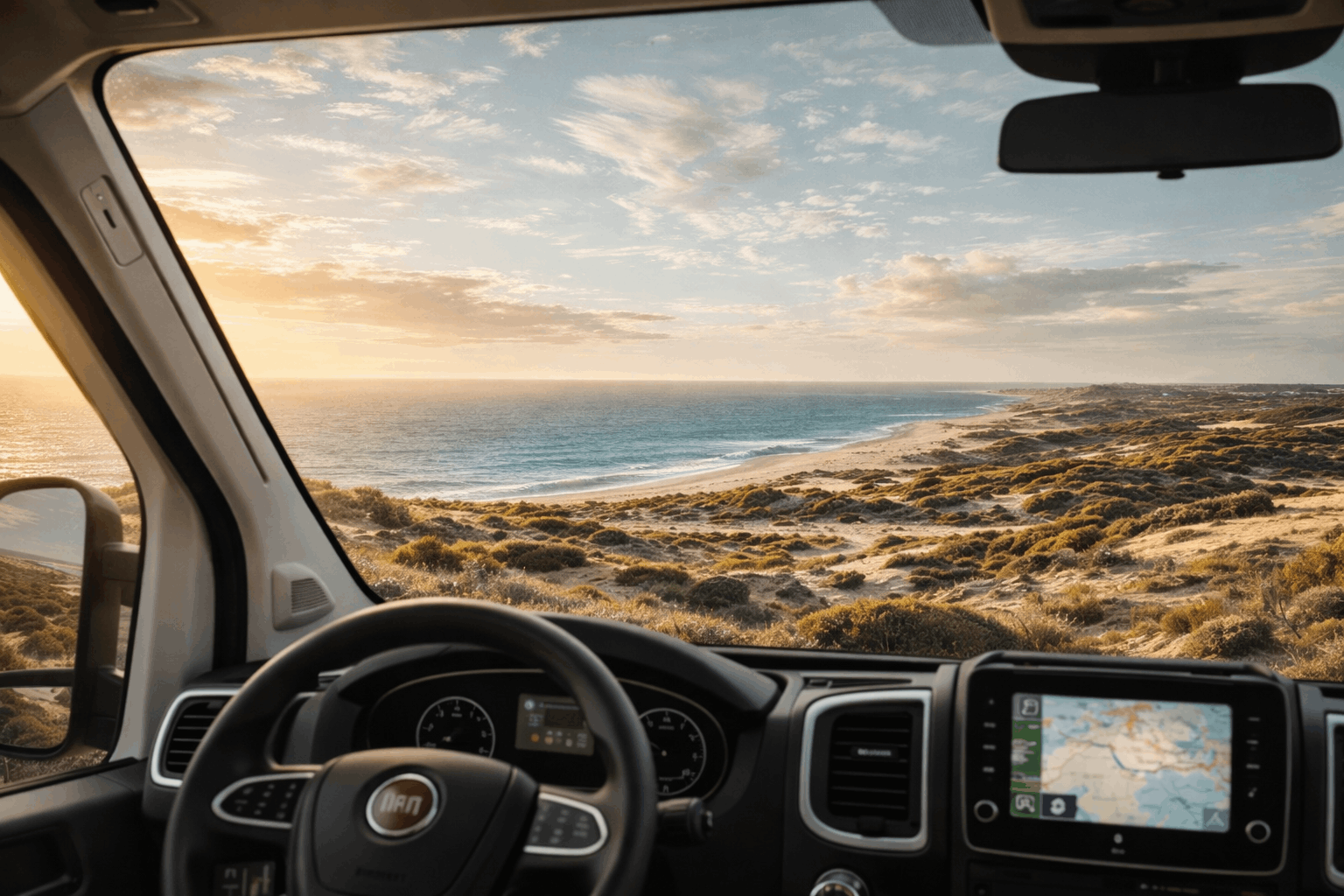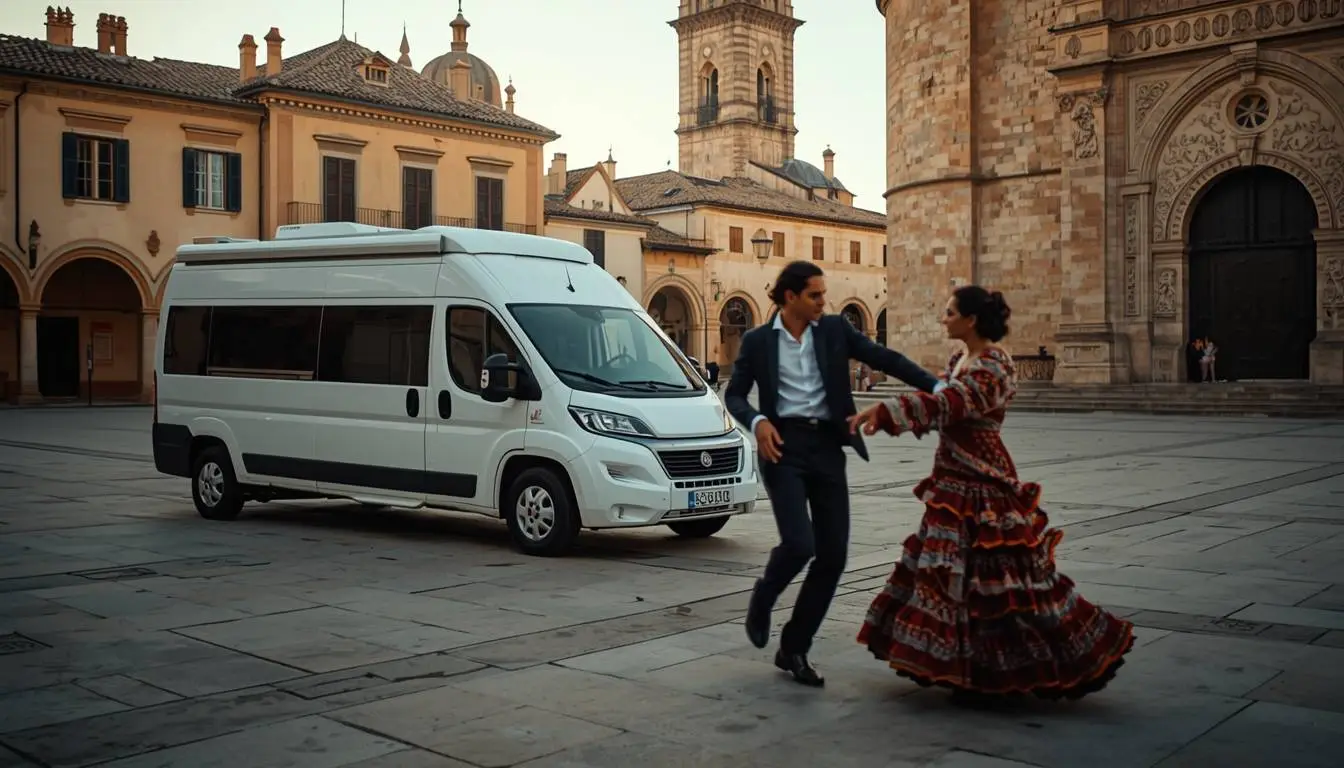
This route is culture with a capital C. A journey through the historic heart of Andalusia, where each city is not just visited, but walked, listened to and tasted. Mosques, palaces, old quarters, flower-filled patios and long dinners that forget the clock.
Travelling this route by camper is a delicate balance, yet deeply rewarding: vibrant cities by day, genuine rest when night falls. You park thoughtfully, walk calmly, and return to your home on wheels when the body asks for silence.
Ideal duration
7 to 10 days
Seven to cover the essentials. Ten to enjoy it without rush or cultural overload.
Perfect for
Lovers of history, architecture, urban culture and good food
Ideal if you enjoy walking cities with intention and ending the day slowly.
Best season
Spring and autumn
Milder temperatures and far more walkable cities.
Why this route defines Andalusia
Málaga opens the journey with light and sea. Córdoba asks you to lower your voice. Seville pulls you into the streets. Granada leaves you speechless. It is not a sequence of cities: it is an emotional progression.
Here, history is not locked inside museums. It lives in the streets, in the patios, in the names of neighbourhoods and in the way people occupy space. Travelling by camper lets you experience this intensity without sacrificing rest.
The core idea:
Intense culture during the day. Silence and comfort at night.
Andalusian Heritage Route itinerary (7–10 days) — day by day
Days 1–2 — Arrival in Málaga
Objective: land in Andalusia with light, sea and a gentle rhythm
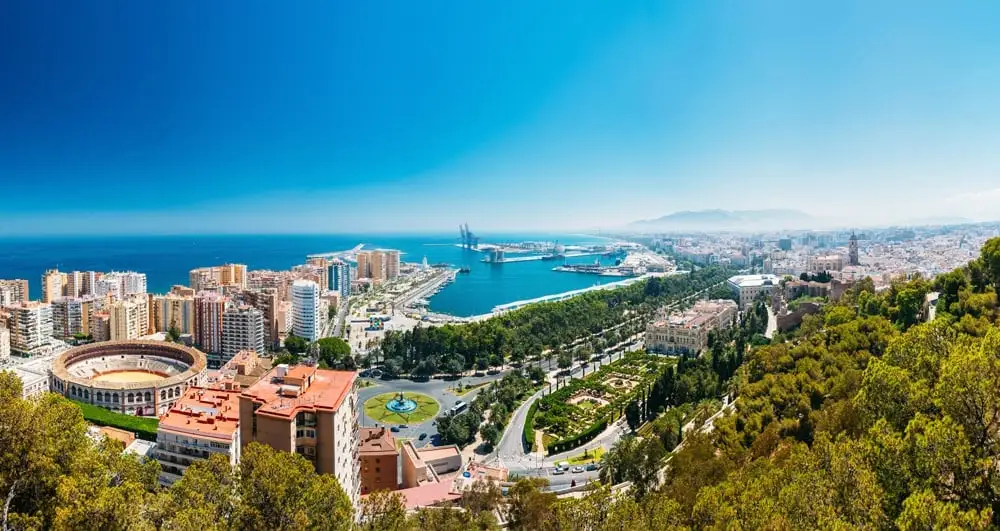
Málaga is the perfect entry point to this route. It does not overwhelm, demand attention or impose itself. It welcomes you with Mediterranean light, walkable streets and a very healthy relationship between city and sea. The first day is not about “doing a lot”: it is about letting your body settle into the journey.
From the very first walk, it becomes clear that Málaga lives outdoors. The historic centre is compact, easy to read and ideal for wandering without a fixed plan. You do not need a map here: you follow the shade, the sound of terraces, and your intuition. The city explains itself.
Essential today
- Walk through the Historic Centre without hurry: Calle Larios, small squares and side streets to feel the city’s pulse.
- Climb to the Alcazaba or the Gibralfaro Viewpoint if you have the energy: Málaga makes more sense from above.
- End the day by the sea: a stroll along Muelle Uno or La Malagueta at sunset.
Sunday Campers tip (a friction-free first day)
Avoid taking the camper into the historic centre. The best approach is to park in comfortable areas and move on foot. Málaga is meant to be walked, not driven. Wear comfortable shoes: today, the journey begins with steps.
Recommended mini-plan (arrival mode)
Arrive → park calmly → short walk through the centre → viewpoint or Alcazaba if you feel like it → seaside walk at sunset → informal dinner. If the day ends without a sense of rush, the journey has begun well.
Day 3 — Málaga → Córdoba
Objective: slow down and let history set the pace
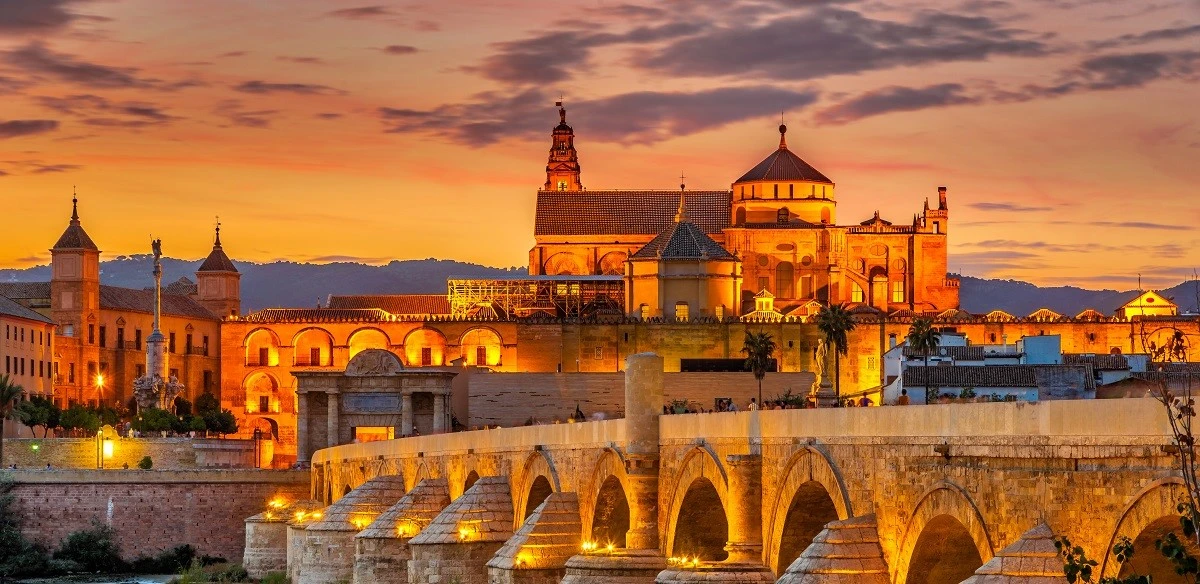
The drive towards Córdoba is a quiet shift. The sea disappears, the landscape grows drier, and the light begins to behave differently. You arrive in a city that does not shout: it whispers. Córdoba does not impose itself; it reveals itself gradually, especially when you enter on foot.
Everything here invites a lower voice. Narrow streets, deep shade, and the unhurried rhythm of the historic quarter force you to adjust your pace. Córdoba is not “consumed”: it is crossed slowly, almost with respect.
Essential today
- Visit the Mosque–Cathedral without hurry: go early or late to feel the space without noise.
- Get lost in the Jewish Quarter: narrow streets, hidden patios and constant shade.
- Cross the Roman Bridge and see the city from the far side of the river at sunset.
Sunday Campers tip (smart Córdoba)
Córdoba can be extremely hot. Plan the most demanding visits early in the morning or late in the day. Midday is for shade and rest. Park outside the historic centre and walk in: the car is unnecessary here.
Recommended mini-plan (Córdoba mode)
Arrive → park wisely → Mosque–Cathedral → long walk through the Jewish Quarter → rest in the shade → Roman Bridge at sunset → quiet dinner. If you end the day with a sense of inner calm, Córdoba has done its work.
Days 4–5 — Córdoba → Seville
Objective: move from silence to urban pulse without losing balance
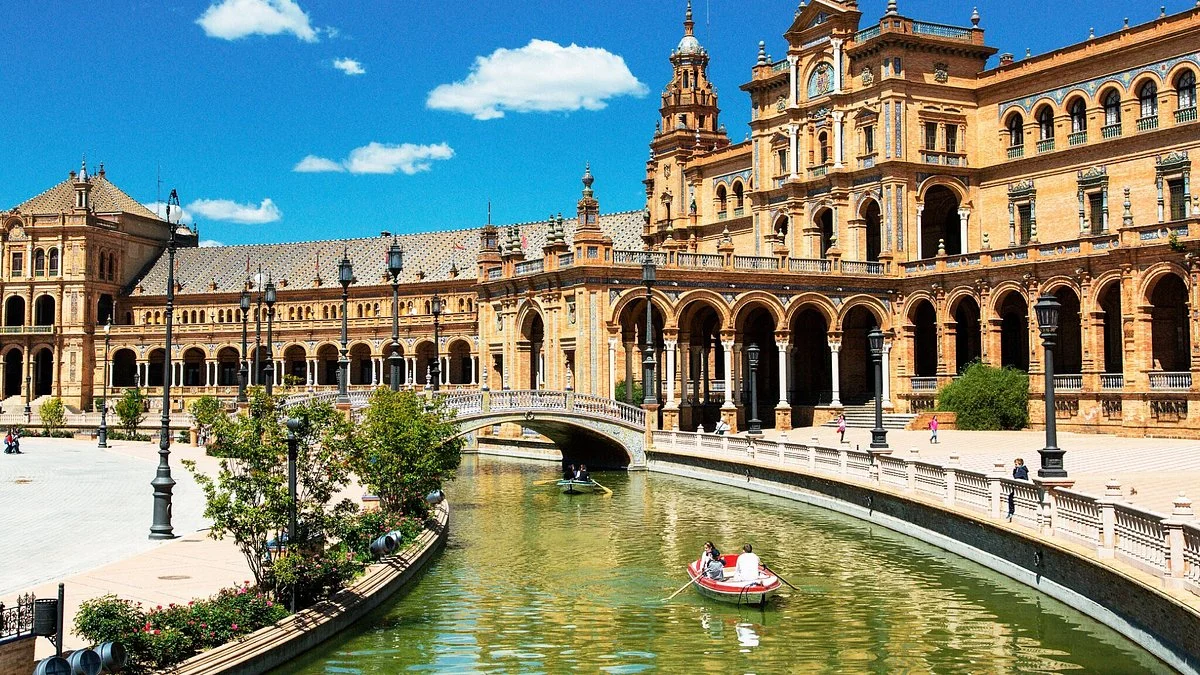
The road to Seville is short, but the change is immediate. Where Córdoba asked for quiet, Seville invites you outside. This is not a city to observe: it is a city to live. And it does so with a gentle, everyday intensity that is deeply Andalusian.
Seville works by neighbourhoods. Triana across the river, Santa Cruz with its labyrinthine streets, the centre always awake. Two days here are not a luxury: they are the minimum needed to understand the rhythm without burning out.
Essential today
- Walk through Santa Cruz early: narrow streets, patios and shade before the heat arrives.
- Cross into Triana at sunset: ceramics, local bars and real life, without a set.
- Let the night decide: tapas, wine and lively streets with no fixed plan.
Sunday Campers tip (Seville without exhaustion)
Seville is best enjoyed by going in and out. Walk in the morning, rest at midday, head back out in the afternoon. In a camper, this flexibility is a real advantage.
Recommended mini-plan (Seville mode)
Day 4: arrival → short walk in the centre → rest → evening out in Triana → unhurried tapas. Day 5: Santa Cruz in the morning → long pause → final night walk. If you are not exhausted, you are doing it right.
Days 6–8 — Seville → Granada
Objective: close the journey with beauty, silence and perspective
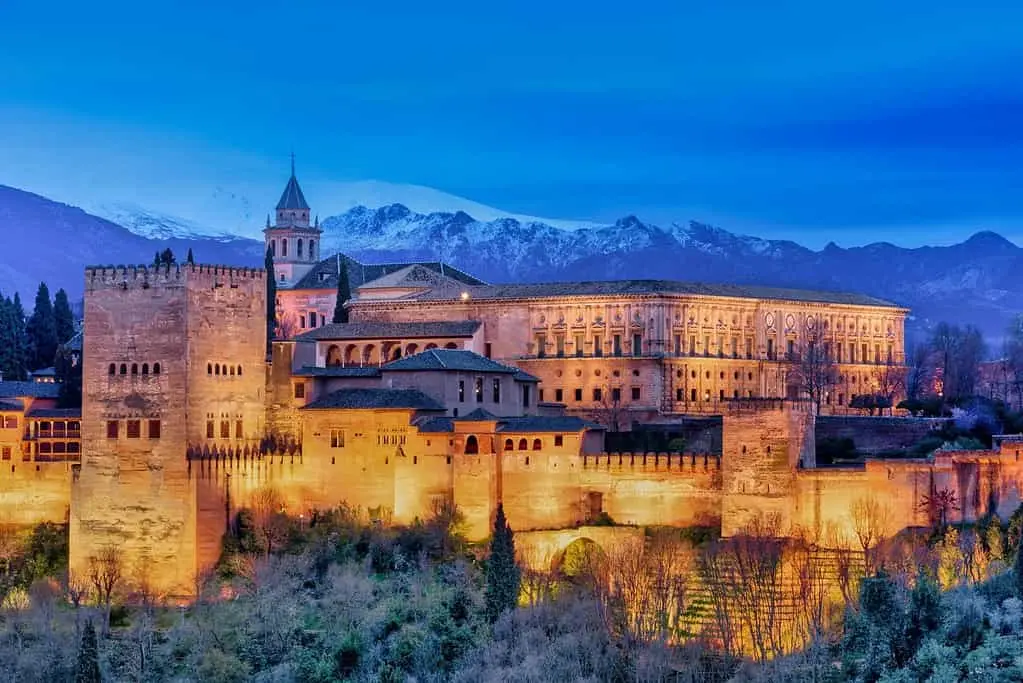
The drive towards Granada is a gentle transition from plains to mountains. As you approach, the landscape becomes more contained and the city appears introspective, almost withdrawn. Granada does not compete with what came before: it synthesises it.
Here, the tone of the journey shifts. Everything asks for attention: the slope of the streets, the sound of footsteps in the Albaicín, the light filtering through at the end of the day. Granada is not rushed. It is contemplated, especially when night falls.
Essential today
- Visit the Alhambra with a reserved ticket: take your time — this is not a place to rush.
- Walk through the Albaicín at sunset: hills, viewpoints and perspectives that explain the city.
- See the Alhambra from outside: the San Nicolás Viewpoint as it lights up.
Sunday Campers tip (Granada done right)
Book Alhambra tickets in advance. Build the rest of the day around that visit. The Albaicín demands legs: comfortable shoes and time. Granada is best enjoyed when you do not try to see everything.
Recommended mini-plan (closing mode)
Day 6: relaxed arrival → short walk → rest. Day 7: unhurried Alhambra → long pause → Albaicín and viewpoints at sunset → silent night. Day 8: final stroll, slow coffee, and the clear sense of having ended in the right place.
Extra days — repeat, go deeper or simply rest
Extra days are not for adding more cities, but for returning to the one that stayed with you. Or simply stopping. Because culture, too, needs time to settle.
Intense culture, intelligent rest
To explore historic cities without giving up comfort, you need a camper that lets you move freely and rest properly.
Space, comfort and autonomy for long cultural journeys.